A pavement is a hard place to grow up. Street trees need roots that cope with tight pits, crowns that keep clear of windows and buses, and a little generosity: blossom, berries or a good autumn. Here are some of the small trees streets often plant, with a planting calendar for the year. Every street is different. Species, sites and timing are always decided with the council, its tree officers and, where needed, a qualified arborist.
Small trees for narrow streets.
SPECIES & SEASONS
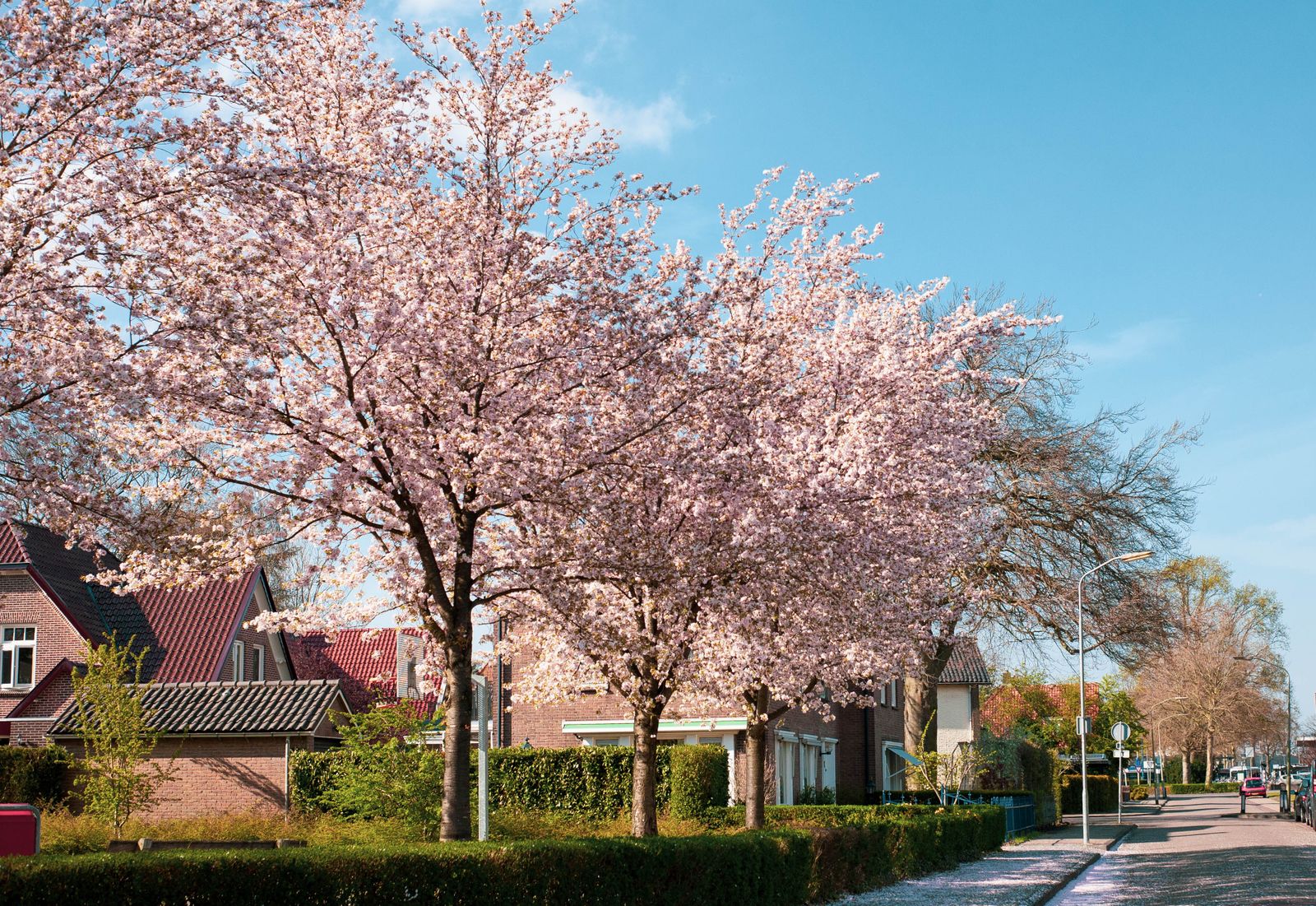 See the planting calendar
Six small trees we love.
A general guide, not a planting plan. Ask your council which species suit your street, its soil and its overhead wires.
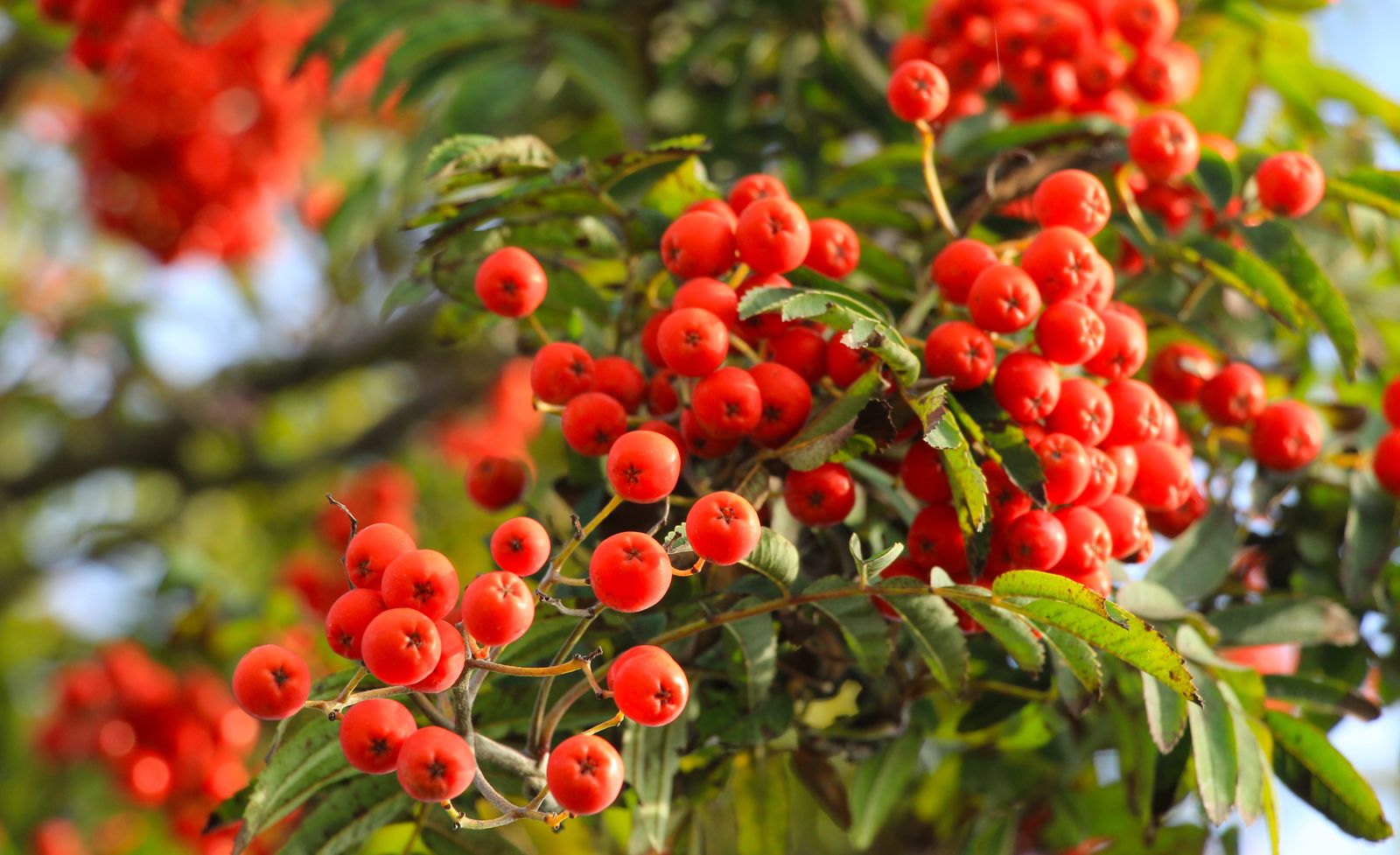
Rowan
Sorbus aucuparia. White flowers in spring, scarlet berries for the birds in autumn and a tidy, upright shape.
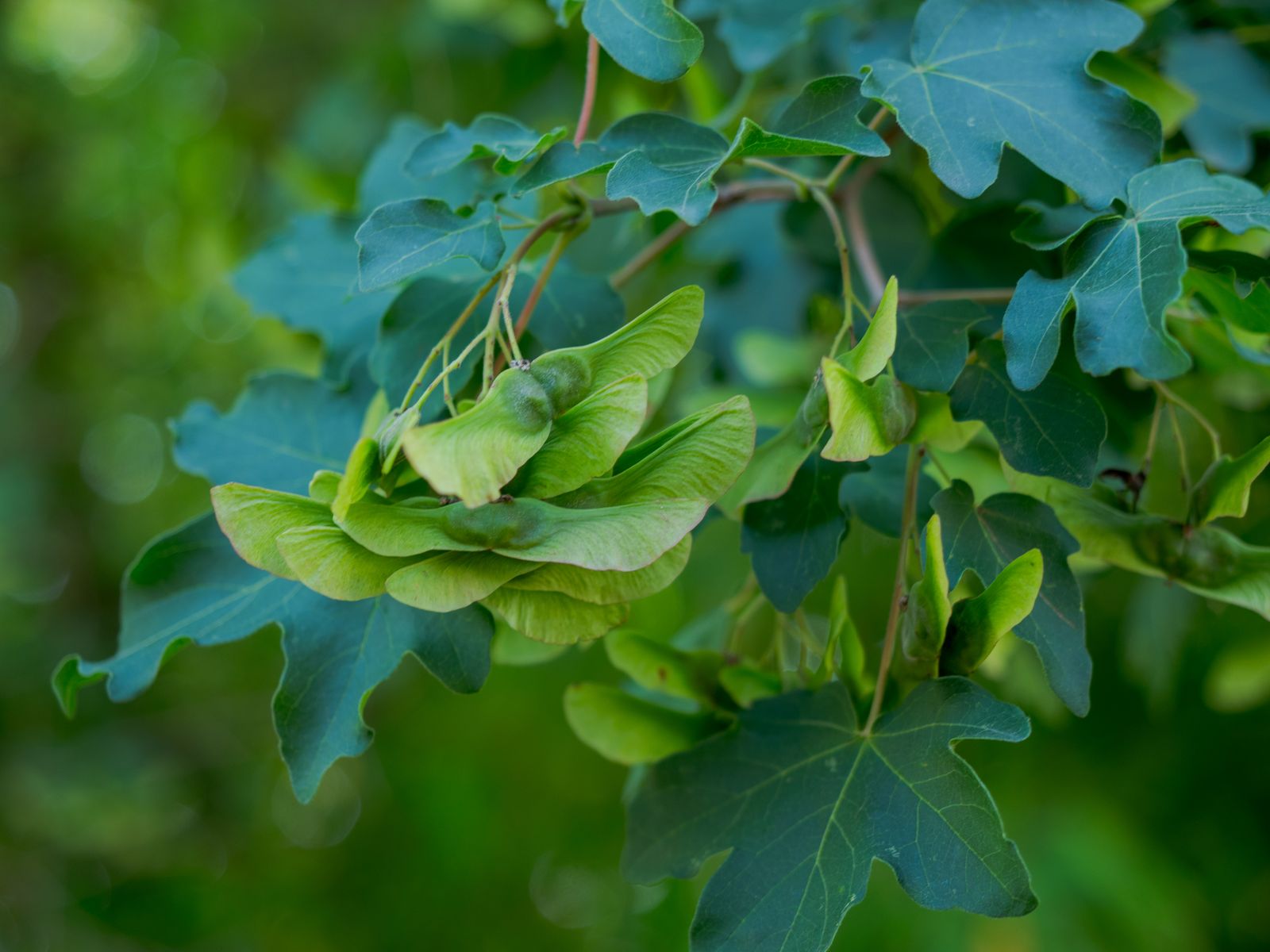
Field maple
Acer campestre. A tough native maple with small lobed leaves that turn butter yellow in autumn.
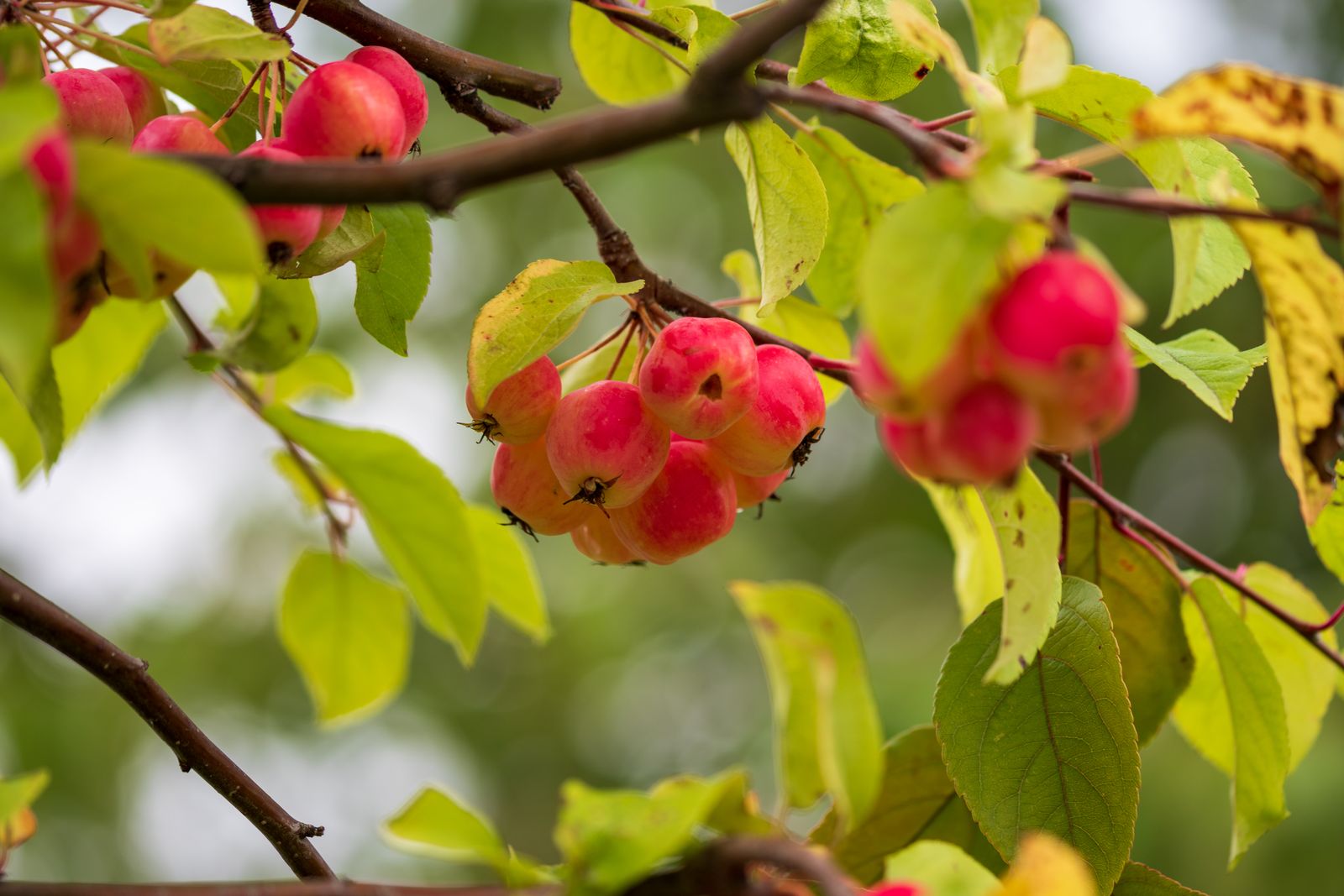
Crab apple
Malus varieties. A cloud of blossom in April and small bright apples that often hang on into winter.
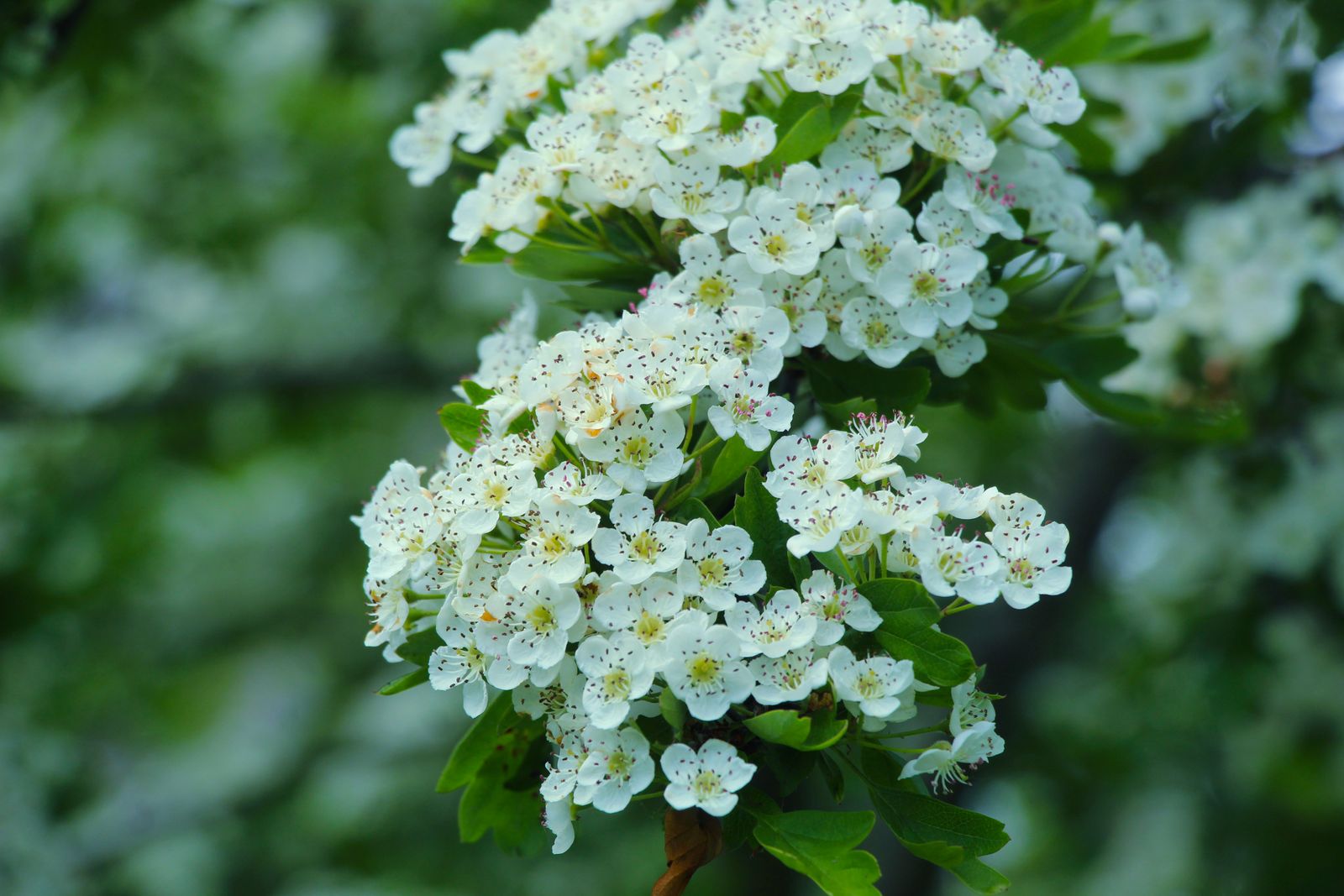
Hawthorn
Crataegus. Creamy May blossom, dark red haws and dense, thorny branches that small birds love.
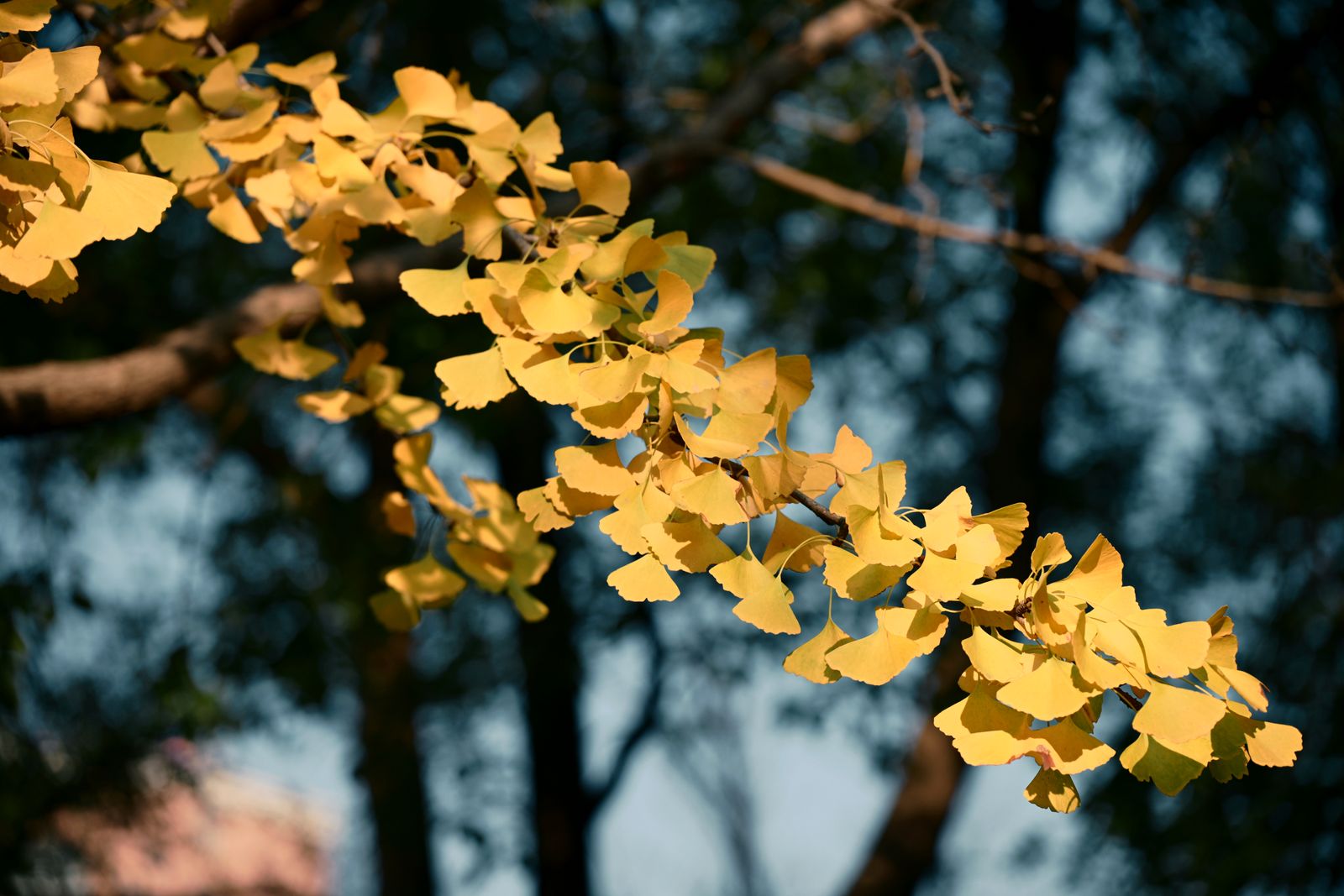
Ginkgo
Ginkgo biloba. Fan-shaped leaves that turn clear gold. Streets choose male trees, as female trees drop smelly fruit.
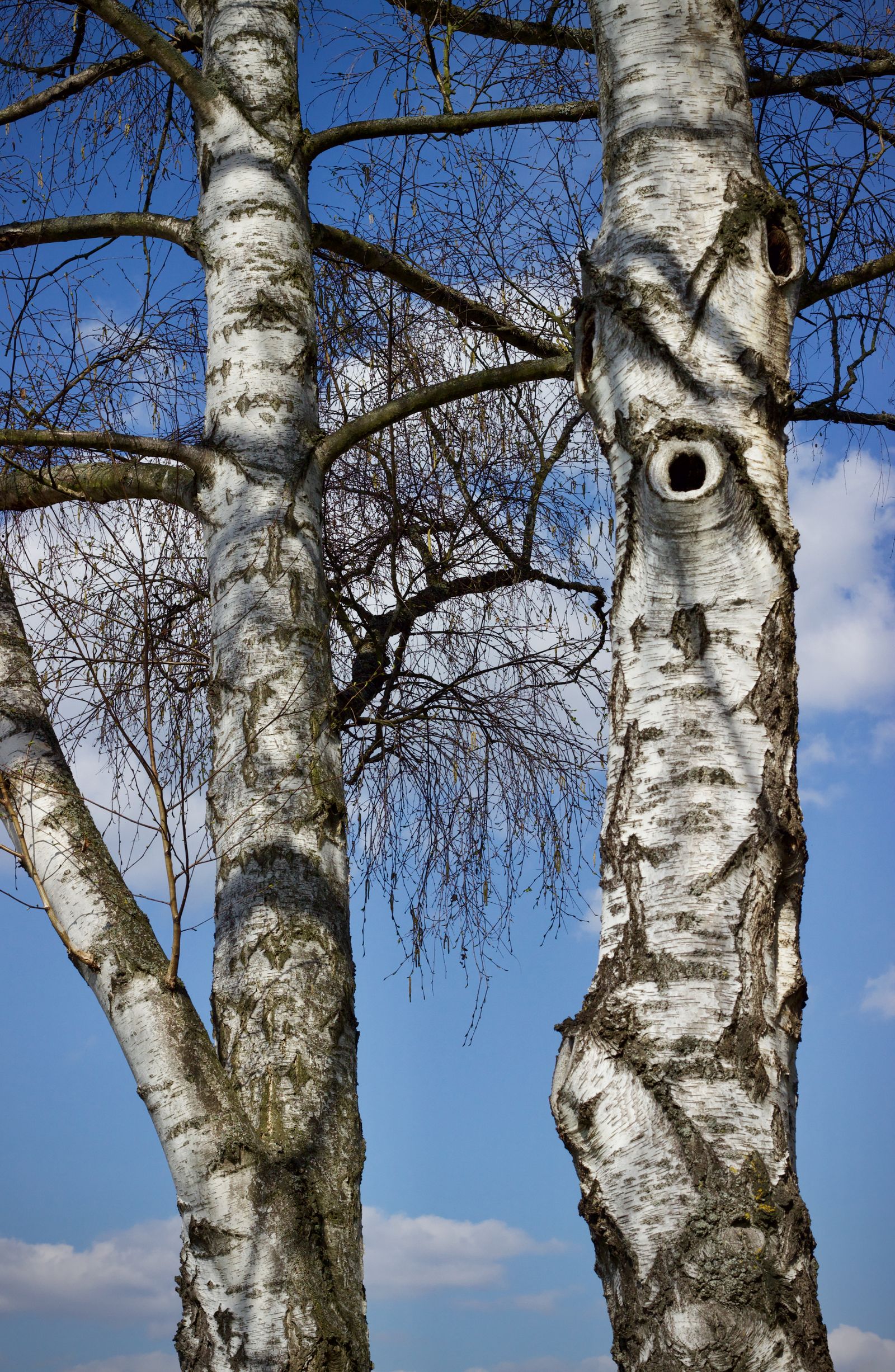
Silver birch
Betula pendula. Pale bark, light shade and a fast start, best where there is a little more room.
A rough comparison to start a conversation with your council. Mature size depends on the variety, the soil and the space a tree is given.
Which tree for which street?
SIDE BY SIDE
A rough comparison to start a conversation with your council. Mature size depends on the variety, the soil and the space a tree is given.
What to expect
Spring blossom
Fruit for birds
Autumn colour
Size when grown
Native to Britain
Rowan
Field maple
Crab apple
A planting calendar.
The first trees arrive once the leaves have fallen. Bare-root and container trees go in, and planting days fill most November weekends.
Late autumn
While the ground is workable, planting carries on between frosts. Carers can rest the watering can until spring.
Midwinter
Check every tie and stake after the winter winds, and top up the mulch before the soil begins to warm.
Early spring
Leaves open and rain becomes less reliable. The weekly bucket starts, and the rota goes up on the noticeboard.
Late spring
The thirsty months. Water slowly in the cool of the evening, and a little more in a heatwave if your council advises it.
High summer
Sweep, bag and mulch. The register’s yearly measuring day falls on the last Sunday in September.
Early autumn
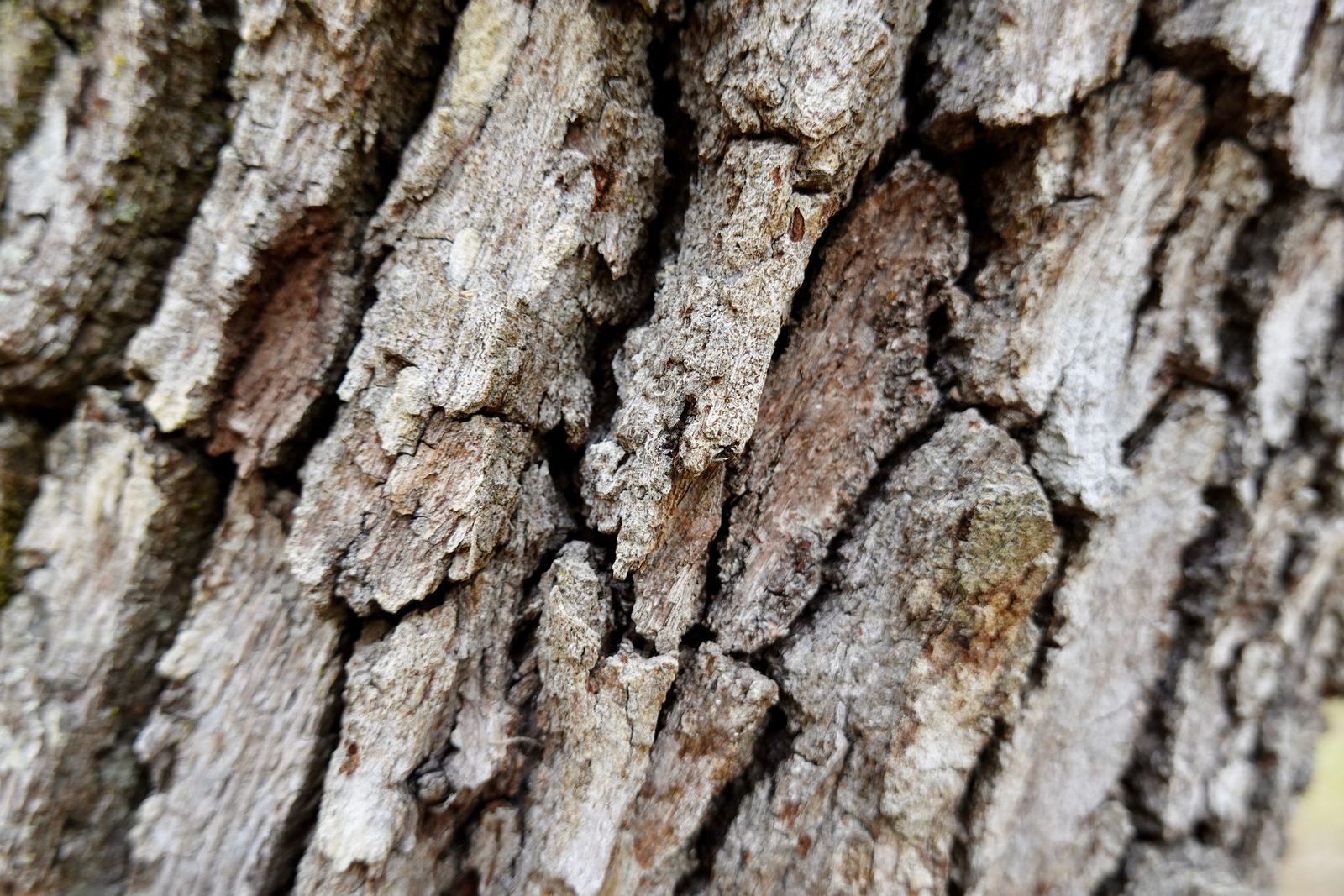
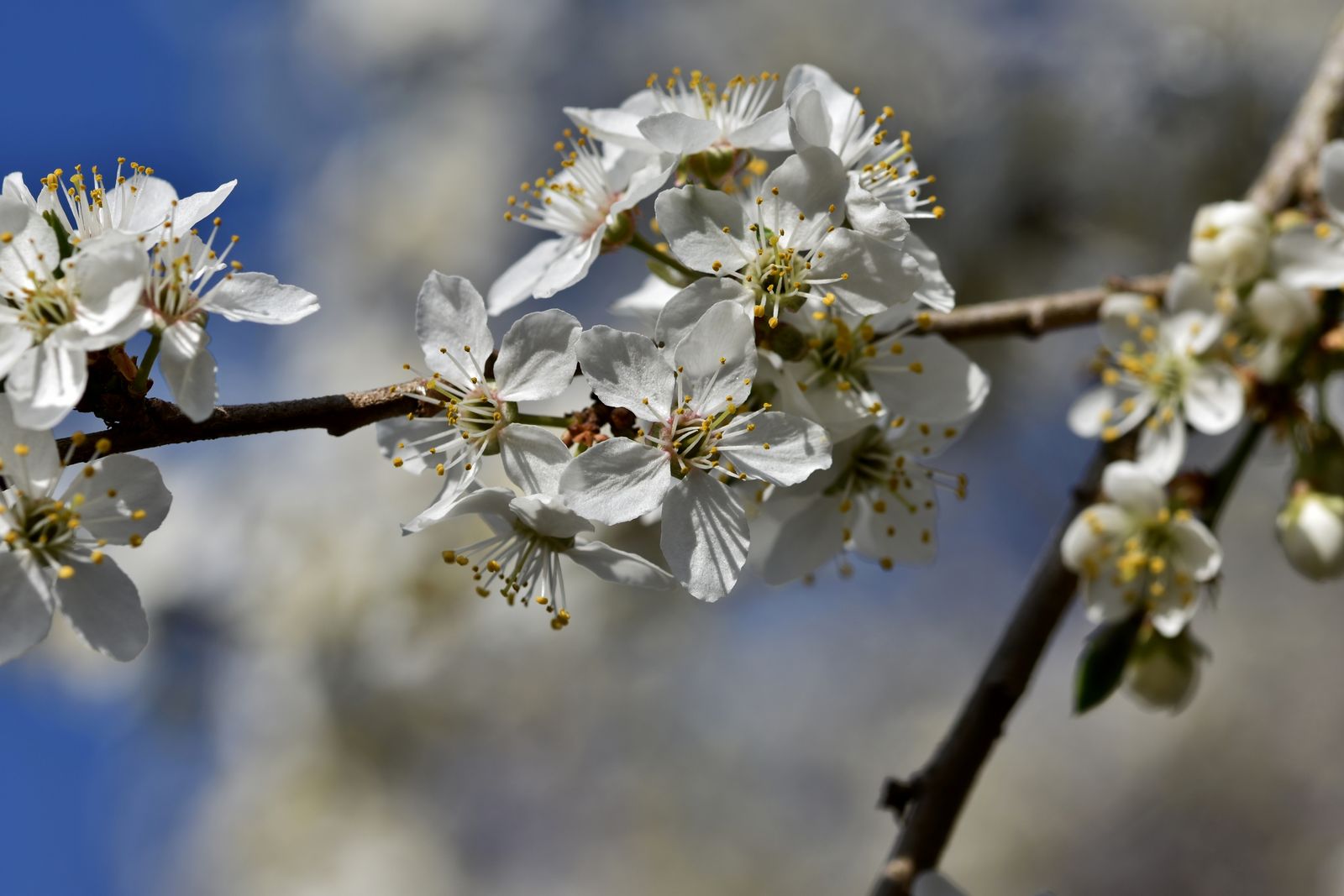
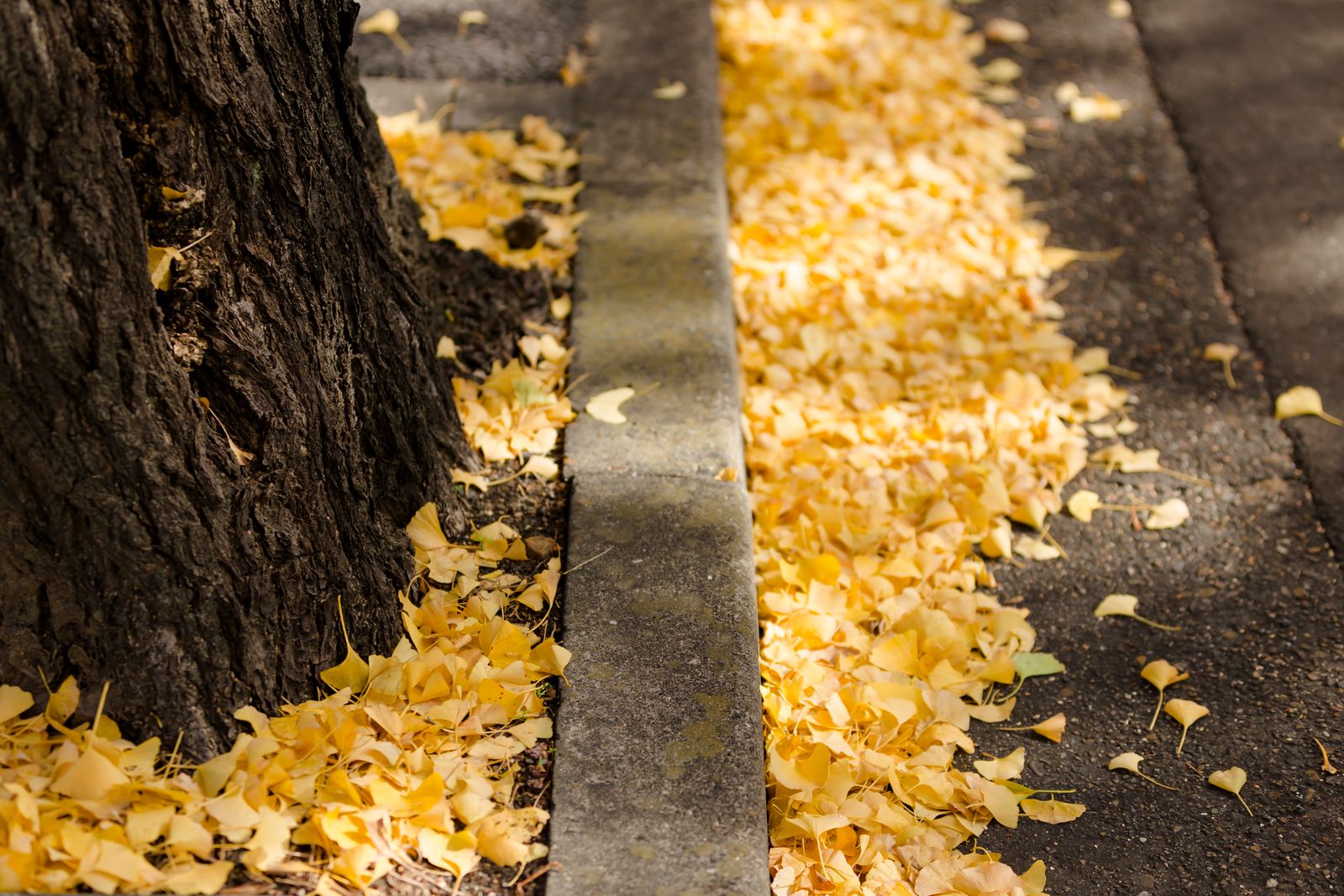
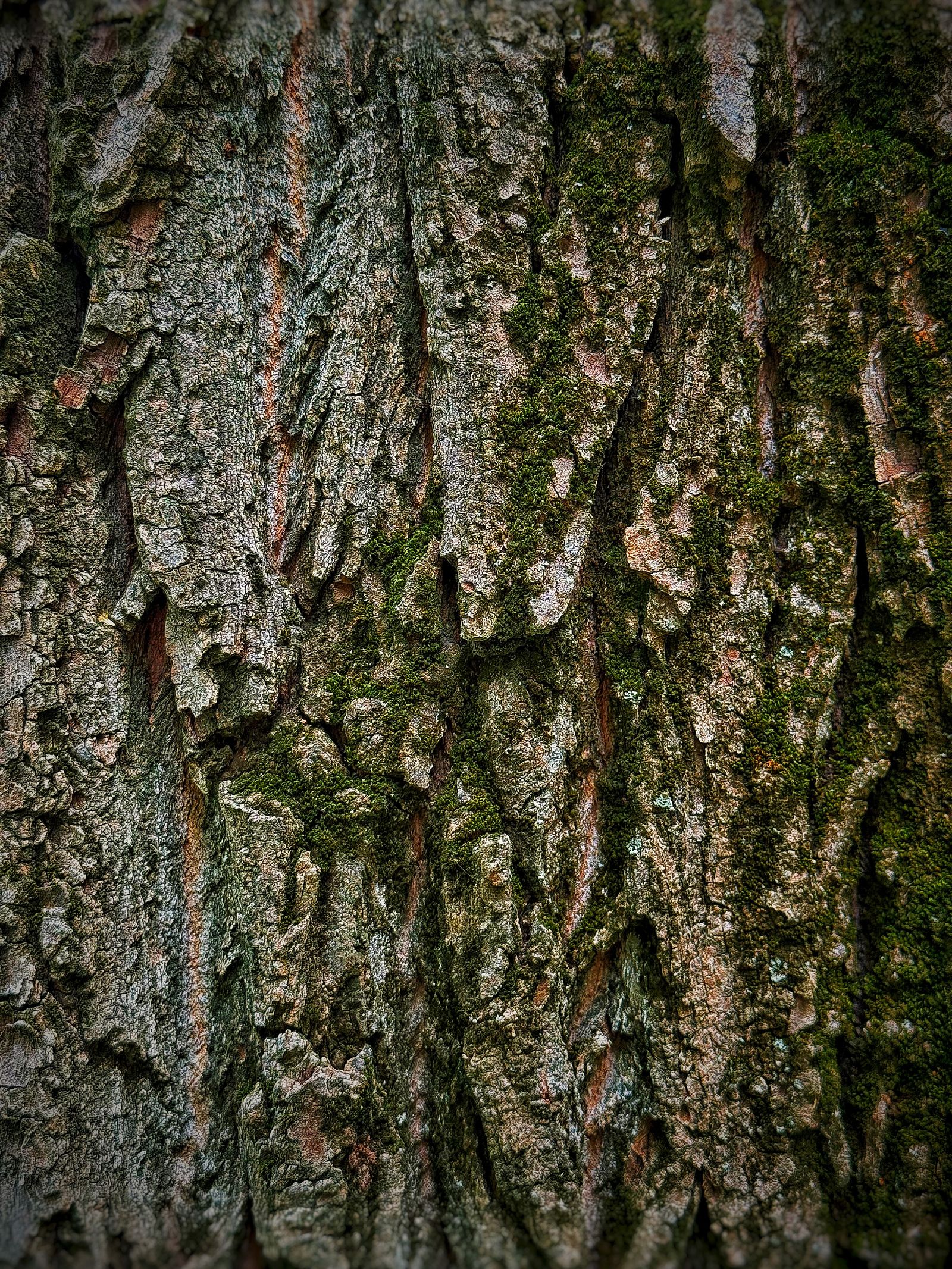
Bark, leaf and blossom.
Small details from street trees through the year, for anyone who likes to look closely. Photographs are illustrative.
Plant small, water often, wait patiently. Then wait a little longer.
Every great avenue was once a row of sticks on a wet November morning.
A street tree is a conversation between neighbours who may never meet.
The best time to plant a tree was twenty years ago. The second best is this Saturday, at about half past nine.