Every young street tree needs a neighbour. Adopting one means a bucket of water a week through its first summers, a glance at its stake and mulch now and then, and your name beside its name in the register. No experience needed, and no money changes hands.
Adopt a tree on your street.
Join the watering rotaA bucket a week.
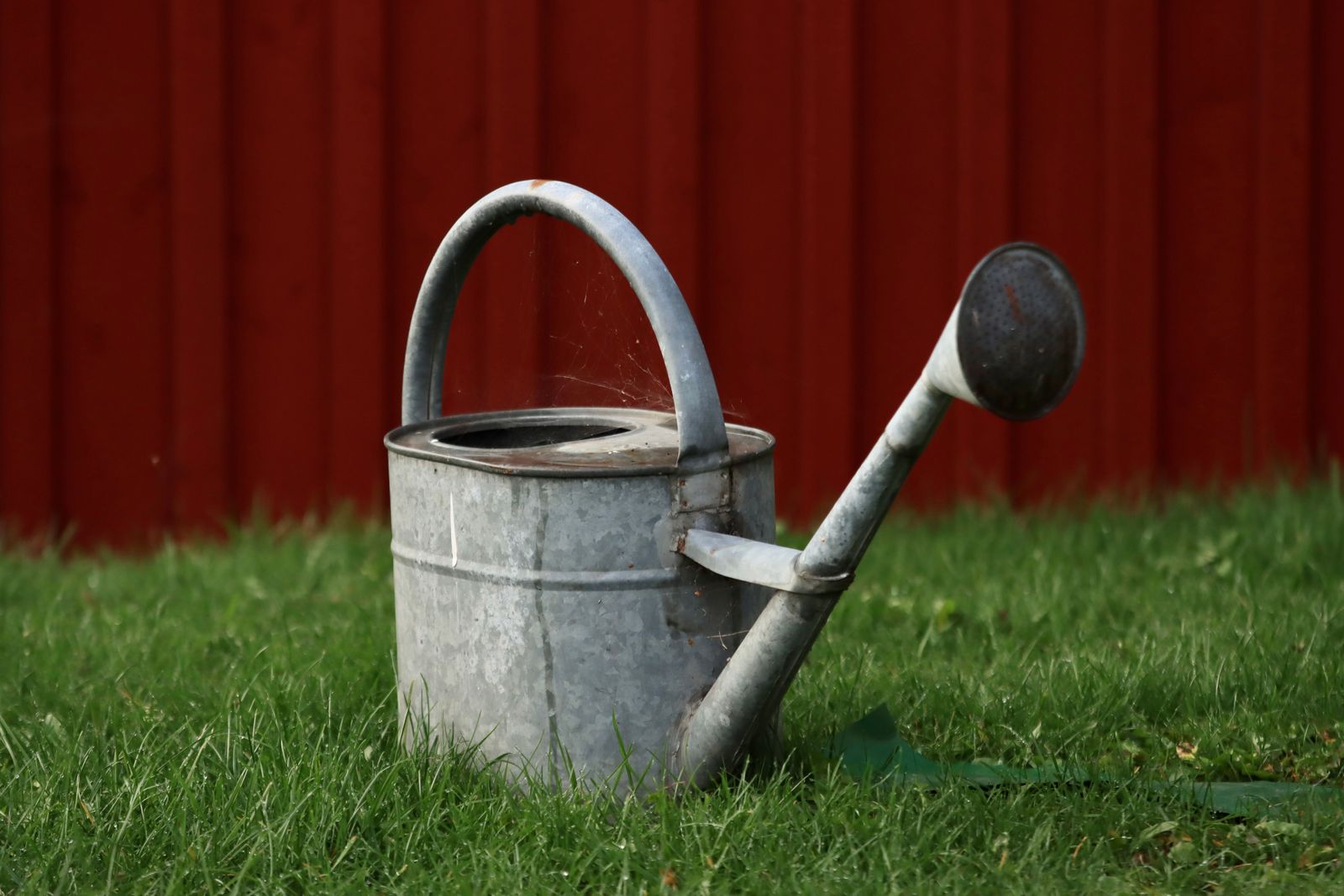
A large bucket or two full watering cans is a good start. Rainwater from a water butt is perfect. In a long dry spell your council may suggest more, so ask them.
Fill a big bucket
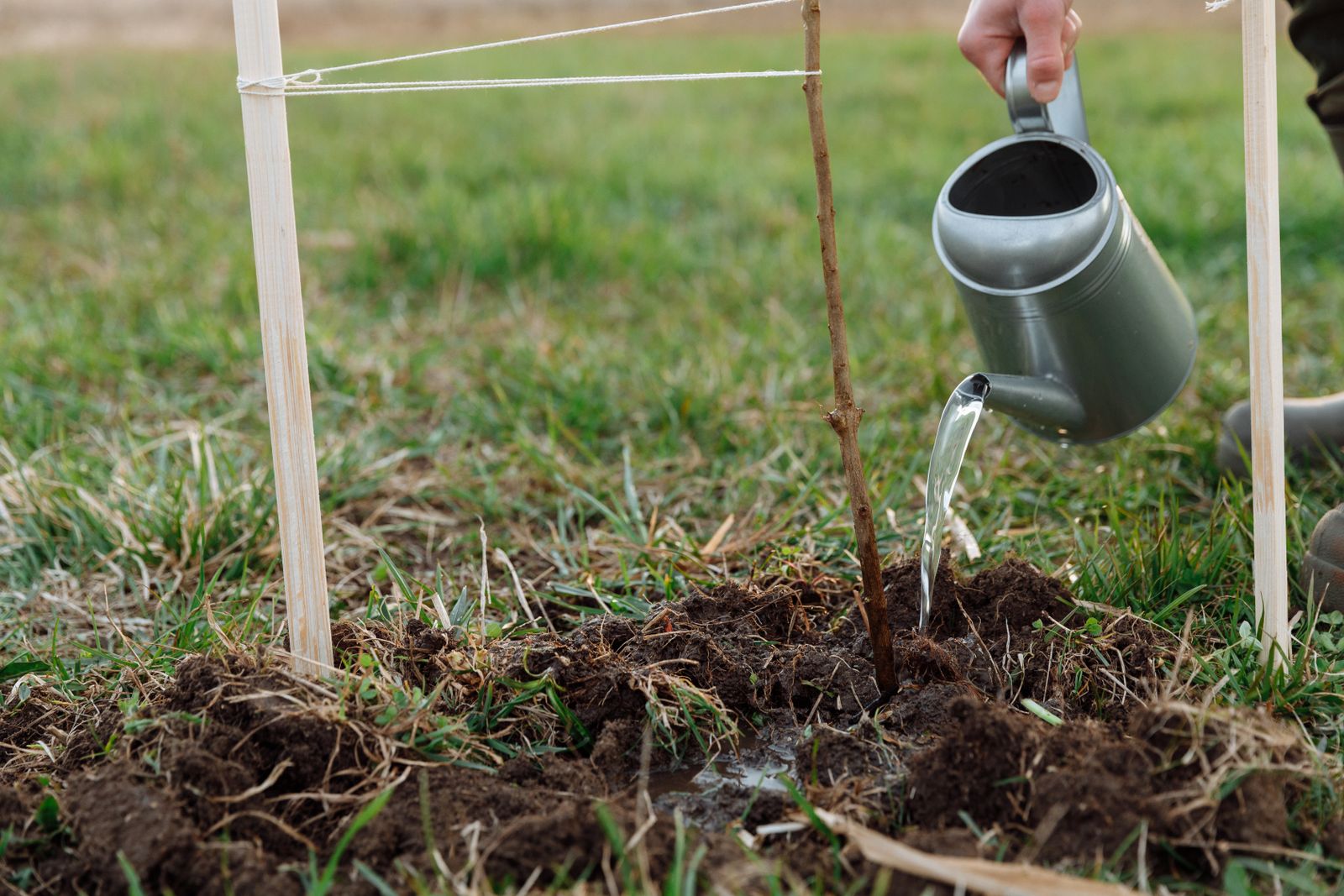
Tip it gently at the base, a little at a time, so it soaks in rather than running into the gutter. If there is a watering tube beside the stake, use that.
Pour it slowly
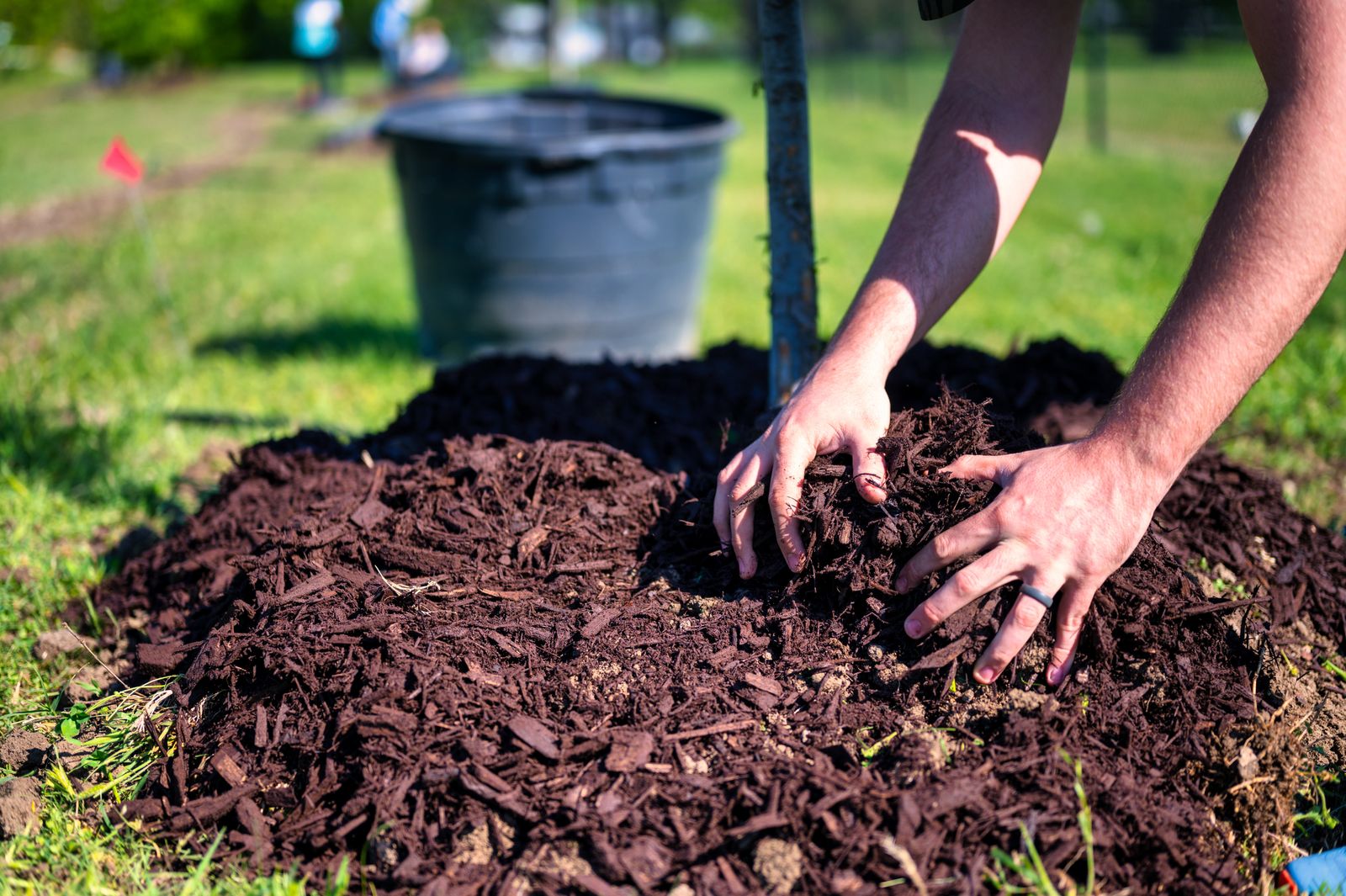
Mulch keeps the soil damp and the weeds down. A tie that has grown too tight can cut into the bark: tell us rather than fixing it yourself, and we will come and look.
Check the mulch and the tie
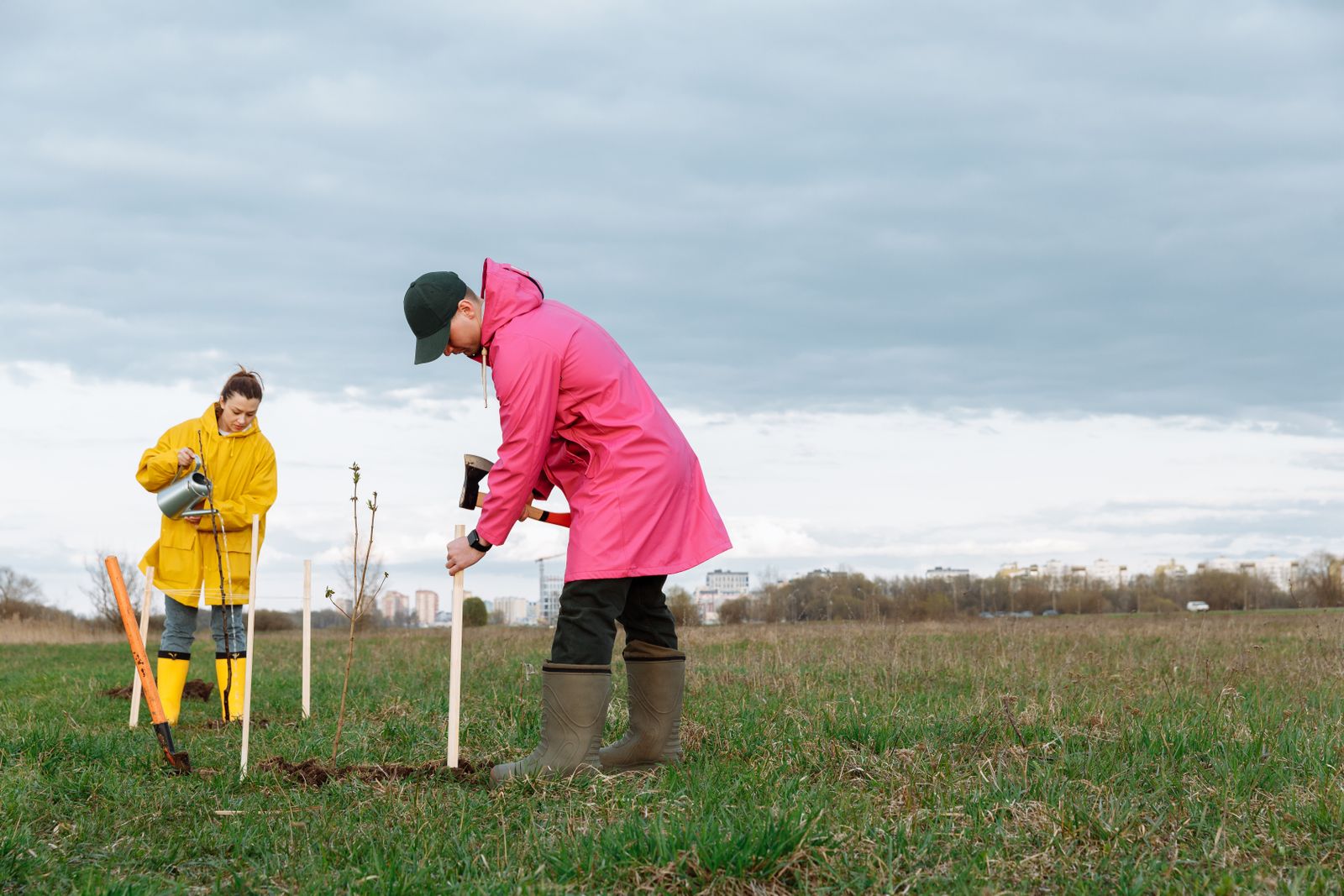
Mark your week on the shared rota so the next neighbour knows the tree has had its drink, and swap freely when life gets in the way.
Tick the rota
THROUGH THE YEAR
Care, season by season.
General guidance for young street trees in their first three years. Your council or a qualified arborist will know your street, your soil and your species far better than any website.
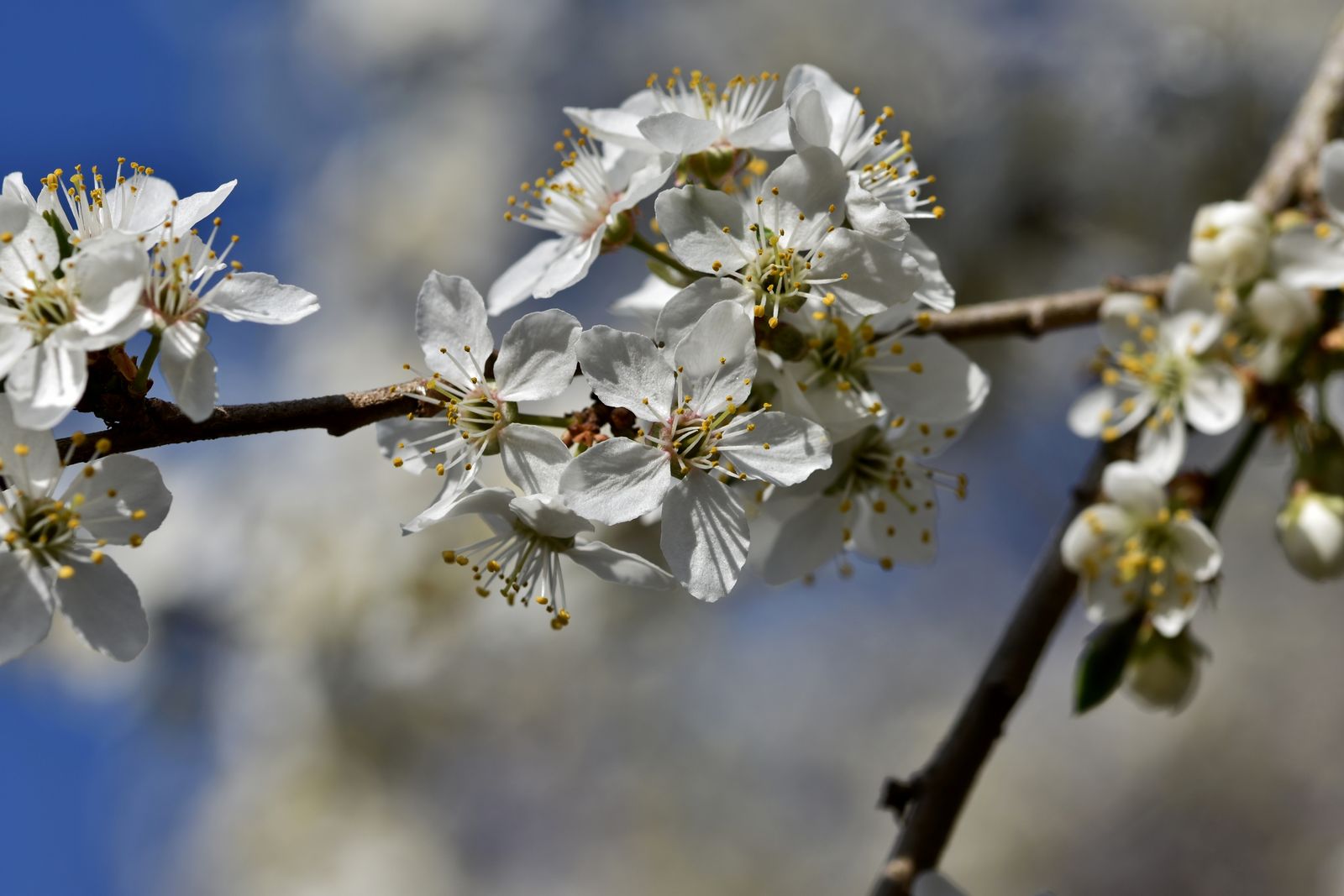
Leaves out, eyes open
As the buds break, check the tie and stake after the winter winds, top up the mulch and start the rota as soon as the soil begins to dry.
The thirsty months
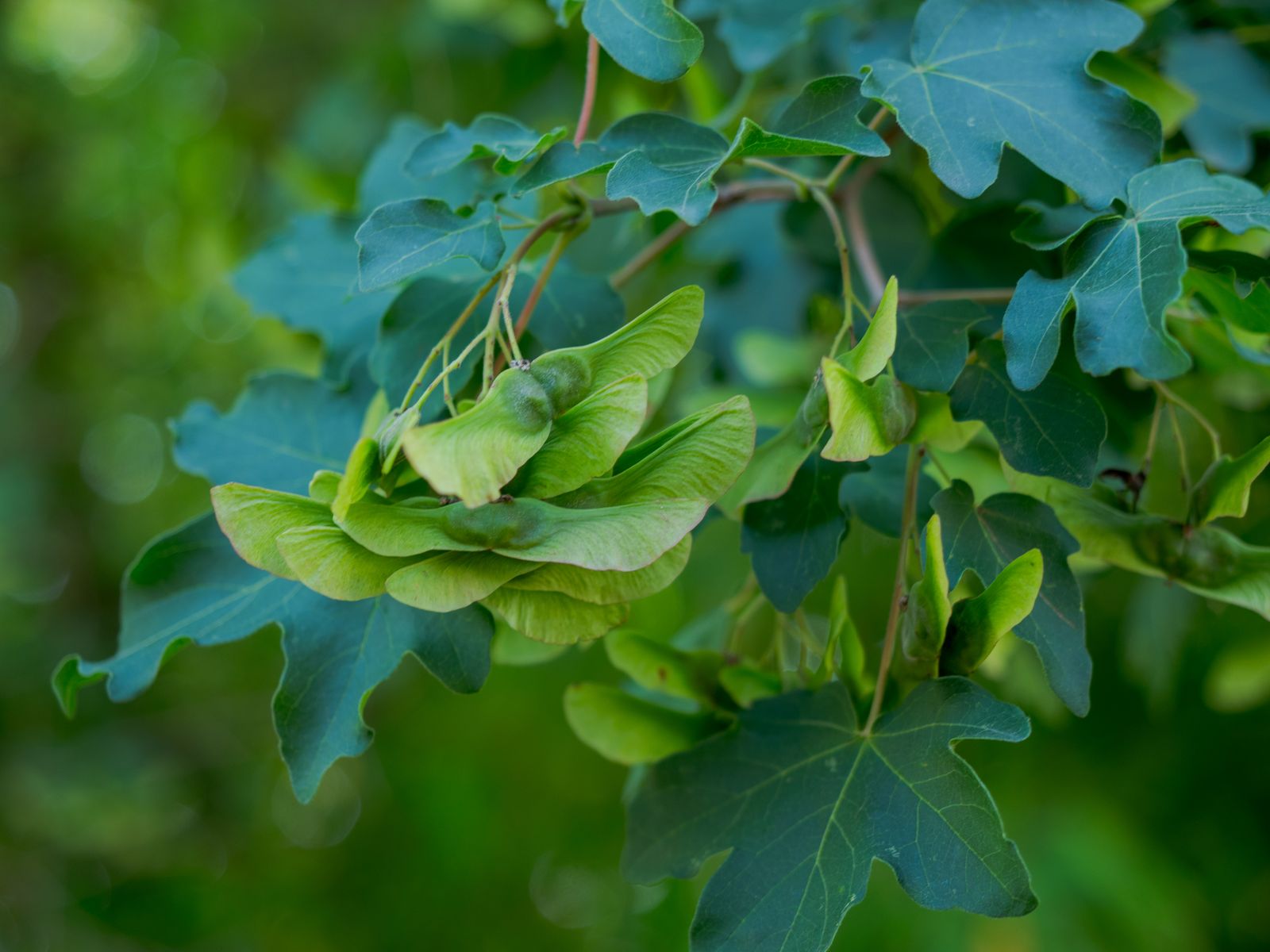
This is when the rota matters most. A bucket a week, more in a heatwave if your council advises it, poured slowly at the base in the cool of the evening.
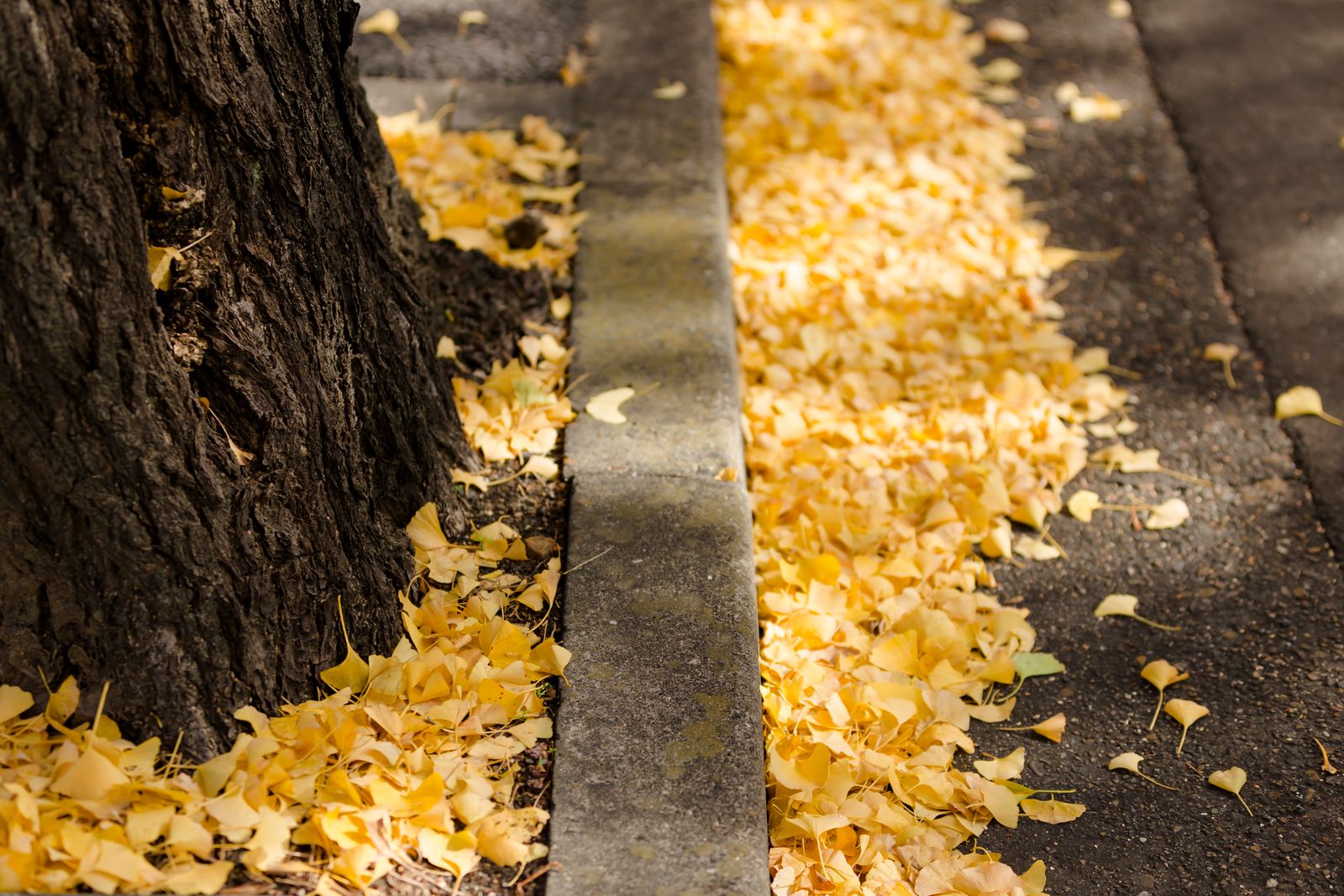
Let the leaves fall
Sweep fallen leaves off the pavement and into the leaf bags, keep the base clear of litter, and come along to a mulching morning with a rake.
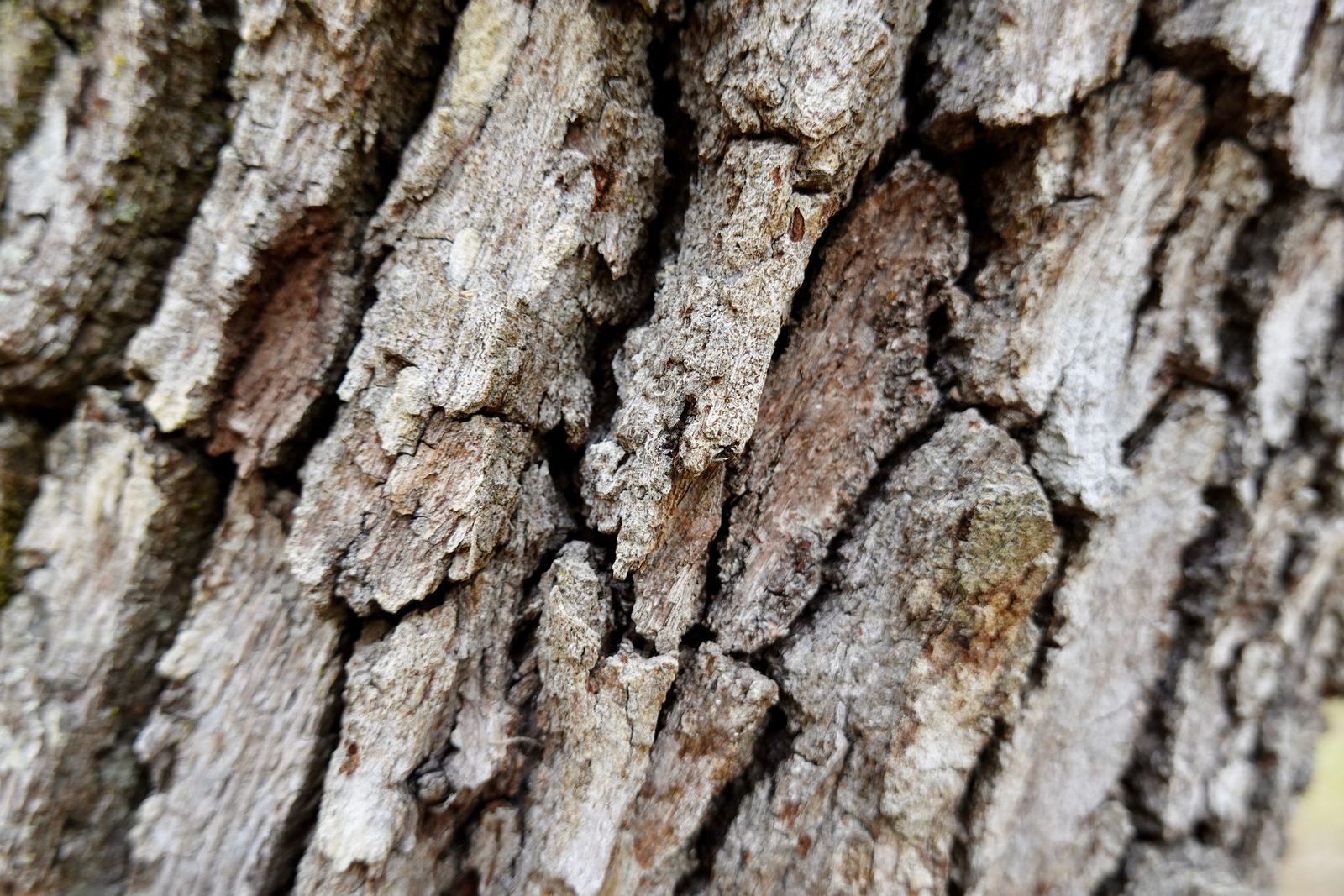
Rest, roots and planting
Watering can usually pause while the tree is dormant. Bare-root planting season runs through the colder months, so this is when new neighbours arrive.
Carers on the register.
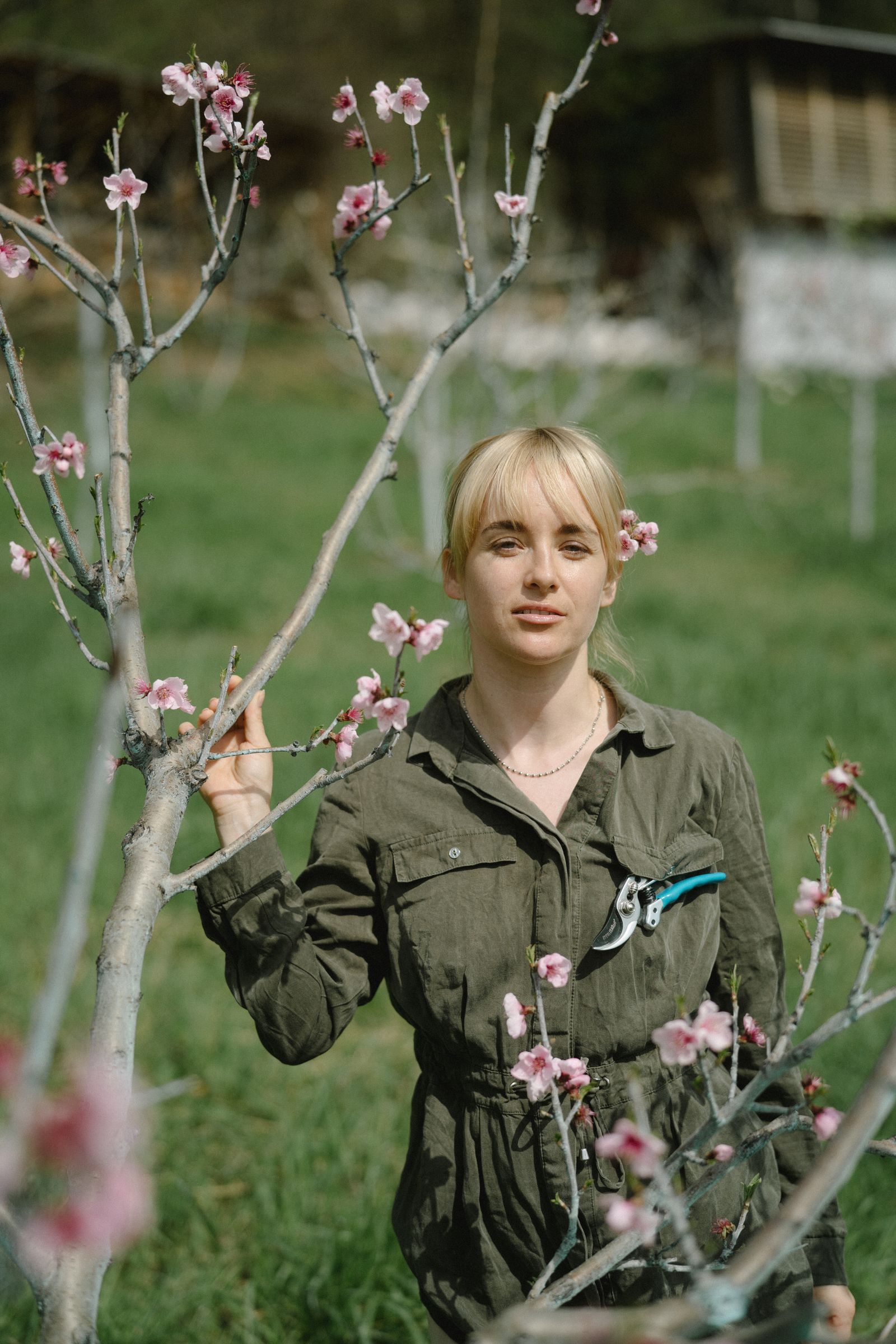
Every adopted tree has at least one named carer, and most have three or four. Here are three of them, imagined for this template, with the trees they look after. Photographs are illustrative.
Sam Lewis
Carer of Pip, a field maple
Waters on Saturday mornings with two children, a toy wheelbarrow and a strict system of turns.

Priya Nair
Carer of Little Bea, a rowan
Studying horticulture at evening classes and the first to notice when a tie needs loosening.
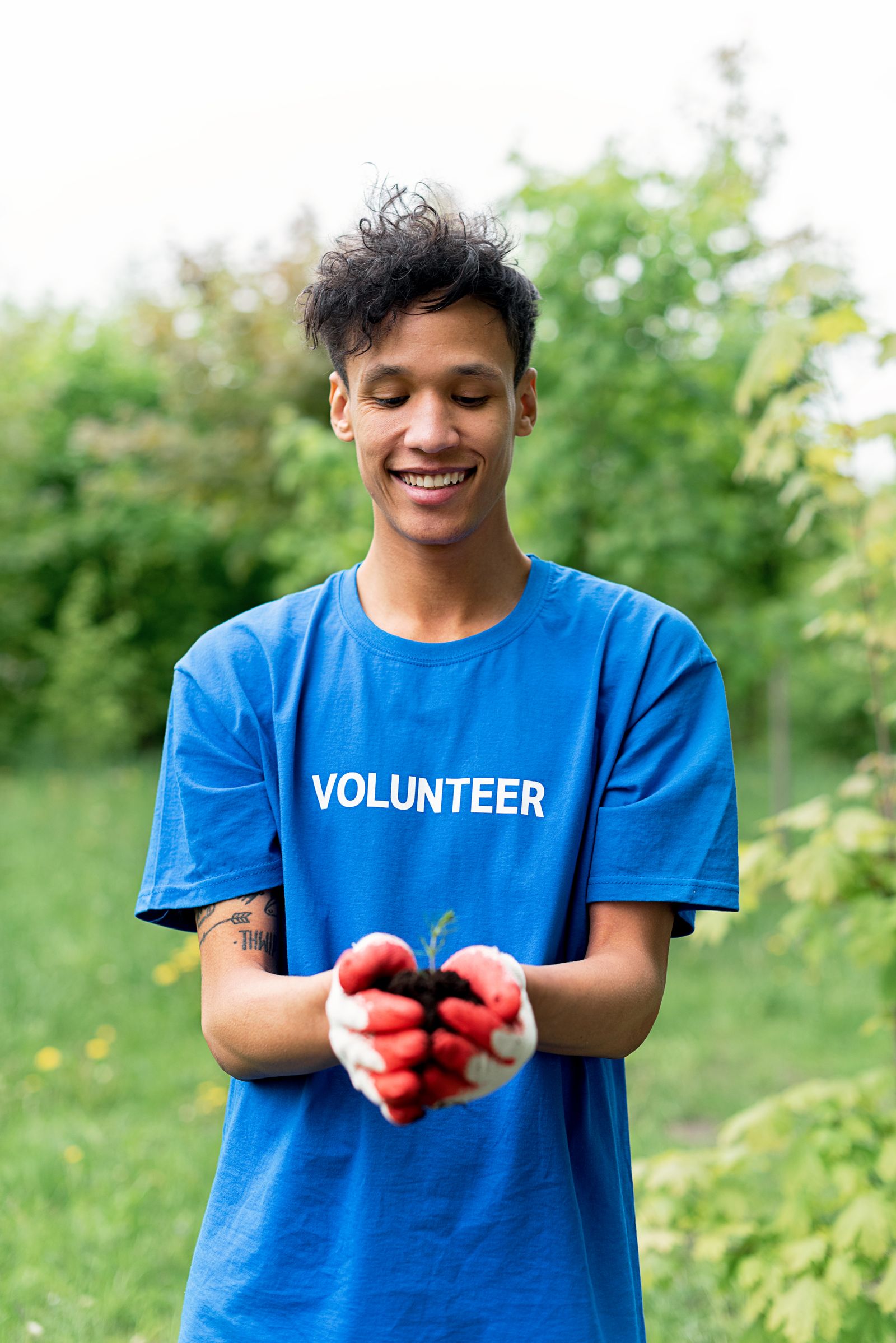
Dev Mensah
Keeper of the rota
Nineteen, organised and in charge of the spreadsheet that makes sure no tree goes thirsty in August.
The things new carers ask most often. Answers are general guidance from a fictional trust: your council has the final word on its trees.
Questions from the kerbside.
None at all. If you can carry a bucket and remember a day of the week, you can care for a young tree. We will show you the rest on your first visit.
Do I need any experience?
It depends on the species, the weather and the soil. As a general rule, newly planted trees need regular watering through their first two or three summers. Your council or an arborist can tell you what suits your street.
How much water does a young tree need?
Swap a week with a neighbour on the rota. That is exactly what the rota is for, and nobody keeps score.
What if I go on holiday?
Please do not. Street trees usually belong to the council, and pruning is a job for them or a qualified arborist. Volunteers only clear litter and weeds.
Can I prune my tree?
Always water from the pavement, never step into traffic, and leave tree pits beside busy junctions to volunteers in high-visibility vests.
Is it safe to water from the road side?
Small bulbs and wildflowers can look lovely, but deep digging can disturb young roots. Ask us, or your council, before you plant anything.
Can I plant flowers around the base?
Leave your first name and email address and we will add you to the rota for the tree nearest your door, with one short reminder a week from May to September.
This is a sample form for a fictional trust. Please do not enter your home address, phone number or any other sensitive information. Unsubscribe at any time.
Join the watering rota.
 Add me to the rota